
Vesticam Infrared
Video Goggles
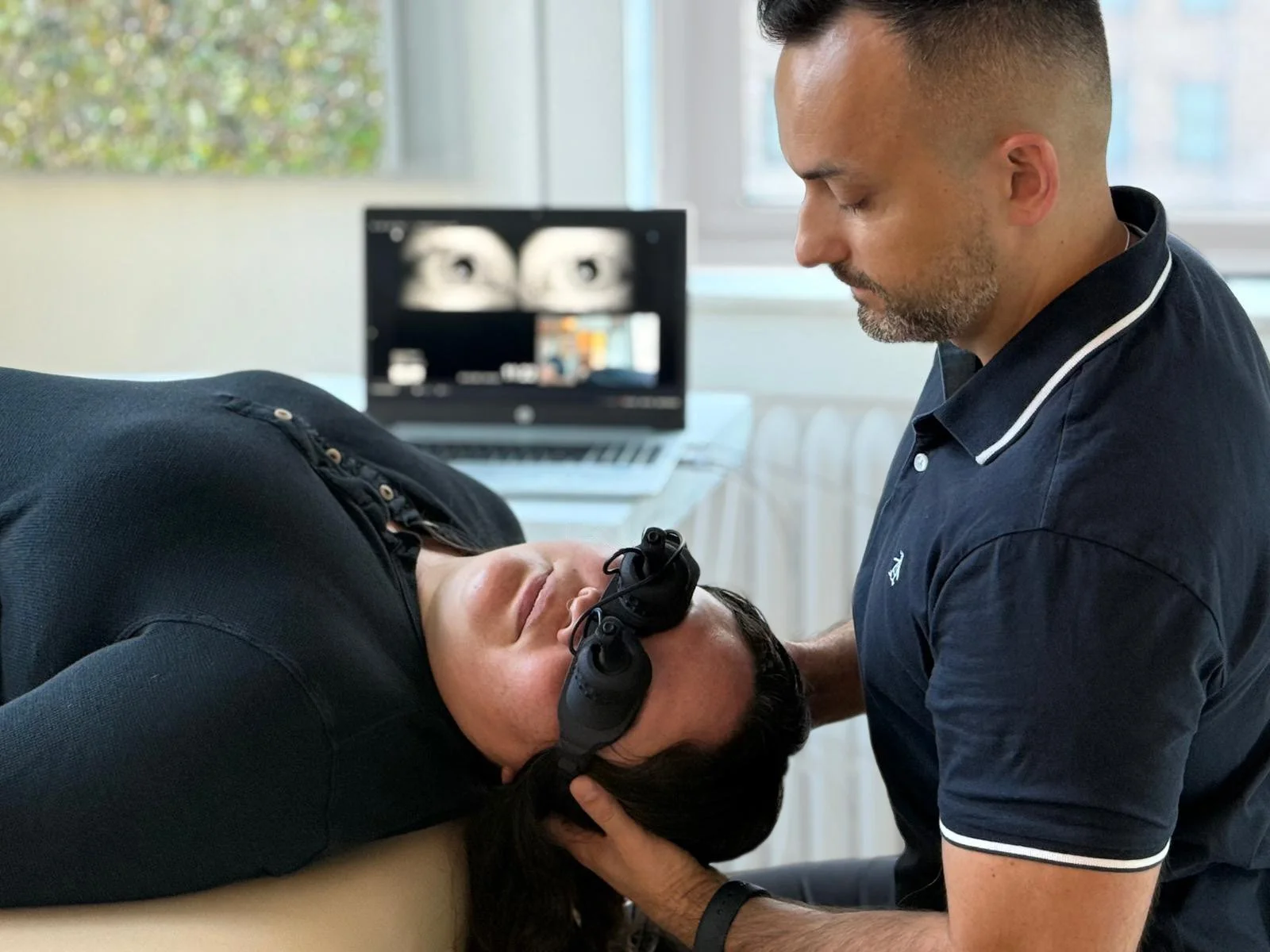
Vesticam Infrared Video Goggles are specialized infrared “video Frenzel” goggles that record eye movements in high-definition while visual fixation is removed. By capturing subtle nystagmus that is often invisible to the naked eye—especially in darkness—Vesticam supports precise assessment of dizziness, vertigo, and balance disorders and helps clinicians distinguish between peripheral (inner ear) and central causes of symptoms.
Mechanism of Action:
Vesticam Infrared Video Goggles promote:
High-frame-rate infrared recording (1080p, ≥30 fps) of eye movements during vestibular tests
Observation of nystagmus with vision denied, reducing the suppressive effect of visual fixation and revealing otherwise hidden eye movements
Accurate characterization of nystagmus direction, duration, and intensity to support differential diagnosis of vestibular vs central causes of dizziness
Real-time and recorded video playback for careful analysis, documentation, and patient education
Portable, comfortable testing with adjustable, light-tight goggles suitable for clinic, bedside, or on-site assessments
Clinical Applications:
Vesticam Infrared Video Goggles are used to support:
Diagnosis and management of benign paroxysmal positional vertigo (BPPV) through observation of positional nystagmus during Dix–Hallpike and roll tests
Identification of unilateral or bilateral vestibular hypofunction, vestibular neuritis, and labyrinthitis as contributors to dizziness and imbalance
Detection of central signs (such as atypical nystagmus patterns) that may suggest brainstem or cerebellar involvement and require medical referral
Monitoring of eye movements during gaze, pursuit, saccade, and optokinetic tasks as part of a comprehensive videonystagmography (VNG) or video-oculography (VOG) workup
Guiding and documenting responses to canalith repositioning maneuvers and customized vestibular rehabilitation programs
Procedure
During testing, the patient wears the Vesticam goggles, which create a light-tight environment around the eyes while infrared cameras record eye movements. Depending on the clinical question, the therapist guides the patient through a series of standardized vestibular tests, such as positional changes (Dix–Hallpike, roll tests), gaze and tracking tasks, head impulse or head-shaking tests, and other oculomotor assessments. The absence of visual fixation allows spontaneous and positional nystagmus to emerge more clearly, and the recordings can be reviewed in real time or after the exam to refine diagnosis, track progress, and educate the patient about their condition.
Scientific Basis
Infrared video goggles are a core component of modern videonystagmography and video-oculography systems, which are considered essential tools for evaluating vestibular function and diagnosing causes of dizziness and vertigo.
By capturing small, rapid, and complex eye movements that may be missed with direct observation, video Frenzel goggles improve the sensitivity and accuracy of vestibular assessment, reduce the risk of overlooking clinically relevant nystagmus during positional testing and canalith repositioning, and support clearer differentiation between peripheral and central disorders.
At KNOSIS, Vesticam Infrared Video Goggles are integrated into comprehensive vestibular evaluations and treatment plans, helping us precisely map eye-movement patterns, tailor vestibular rehabilitation, and collaborate effectively with referring physicians to optimize outcomes for patients with dizziness, vertigo, and balance disorders.